
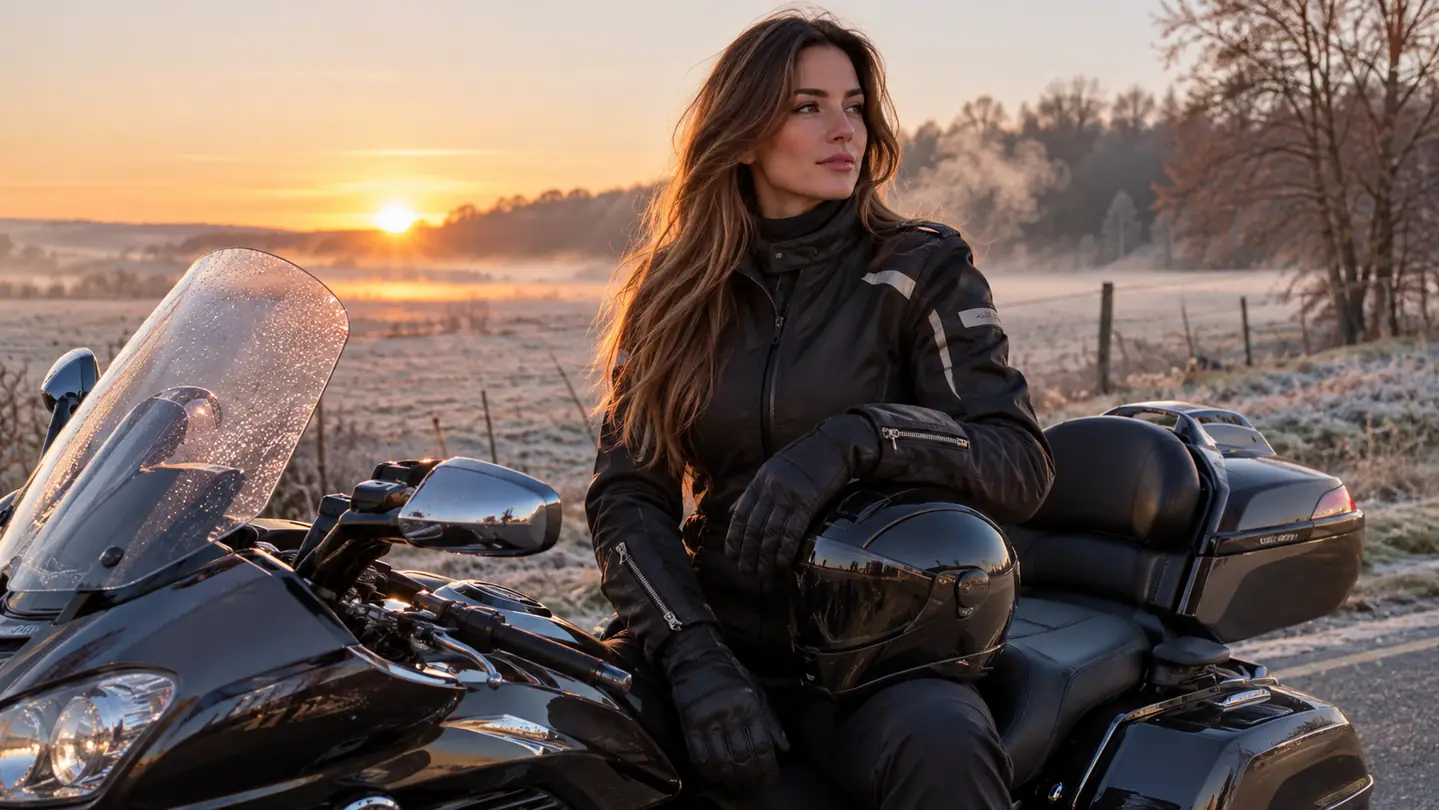
There is a specific kind of cold you only meet on a motorcycle. It is not the cold of waiting at a bus stop. It is the wind at 65 mph pulling the heat out of your hands like a pump, until your fingers stop doing what you tell them to. I have ridden about 35 years, mostly out of Pittsburgh, and I can tell you the exact moment I stopped pretending I could tough it out: mile 180 of a spring ride, temperature in the low 40s, and I could not feel the front brake lever well enough to trust it. That is not a comfort problem. That is a safety problem.
The fix that actually worked for me was a pair of SAVIOR HEAT heated motorcycle gloves. They are not the cheapest way to warm your hands and they are not magic. They are a tool, and like any tool they work when you use them right. This is the step-by-step system I use now, from picking the gloves to charging the batteries to making the heat last a full 600-mile day.
The gloves I reach for when the temperature drops below 45
SAVIOR HEAT heated motorcycle gloves run on a rechargeable 7.4V battery, heat the whole hand in seconds, and are water-resistant, windproof and touchscreen compatible. They are the pair I have used for a season and a half of Pennsylvania cold.
Amazon Check Today's Price on Amazon →Step 1: Start with the right pair of heated gloves
Before you think about wiring, liners or battery habits, you need gloves that are actually built for riding. The pair I settled on is the SAVIOR HEAT heated motorcycle glove. The shell is 40% lambskin and 60% polyester, which matters more than you would think. Lambskin stays supple in the cold and gives you enough feel at the controls. The polyester backing and the windproof construction stop the wind before it reaches your hand. I did not land here on the first try. My first cold-weather setup was a pair of cheap unheated leather gloves with thick insulation, the kind you see on the rack at the gas station. They kept my palms warm for about twenty minutes, and then the wind found the seams and my fingers went numb by the first highway stretch. After that I tried a pair of battery gloves with a single heat setting and no zipper cuff. The one setting was either too hot or not hot enough, and the open cuff let cold air pour in at the wrist. The SAVIOR HEAT pair is what finally stayed on my hands, and I have been using it for a season and a half now.
Mine close with a zipper, which I have come to prefer over a Velcro strap. A zipper cuff tucks under your jacket sleeve and keeps the wind from sneaking in at the wrist. The gloves are ambidextrous, so you do not have to sort left from right, and they are touchscreen compatible, which means I can use my phone at a gas stop without taking a glove off. They are also machine washable, and after a wet ride that matters more than you would think. The lining is a 100% cotton jersey, which is comfortable against the skin even when your hands are sweating at a stoplight in the first hour of a ride.
One honest note: no heated glove replaces a proper cold-weather glove when it comes to insulation. The SAVIOR HEAT gloves are not huge, puffy mittens. They are riding gloves with heat built in. I wear a liner underneath on the really cold days, and I will get to that in Step 4.
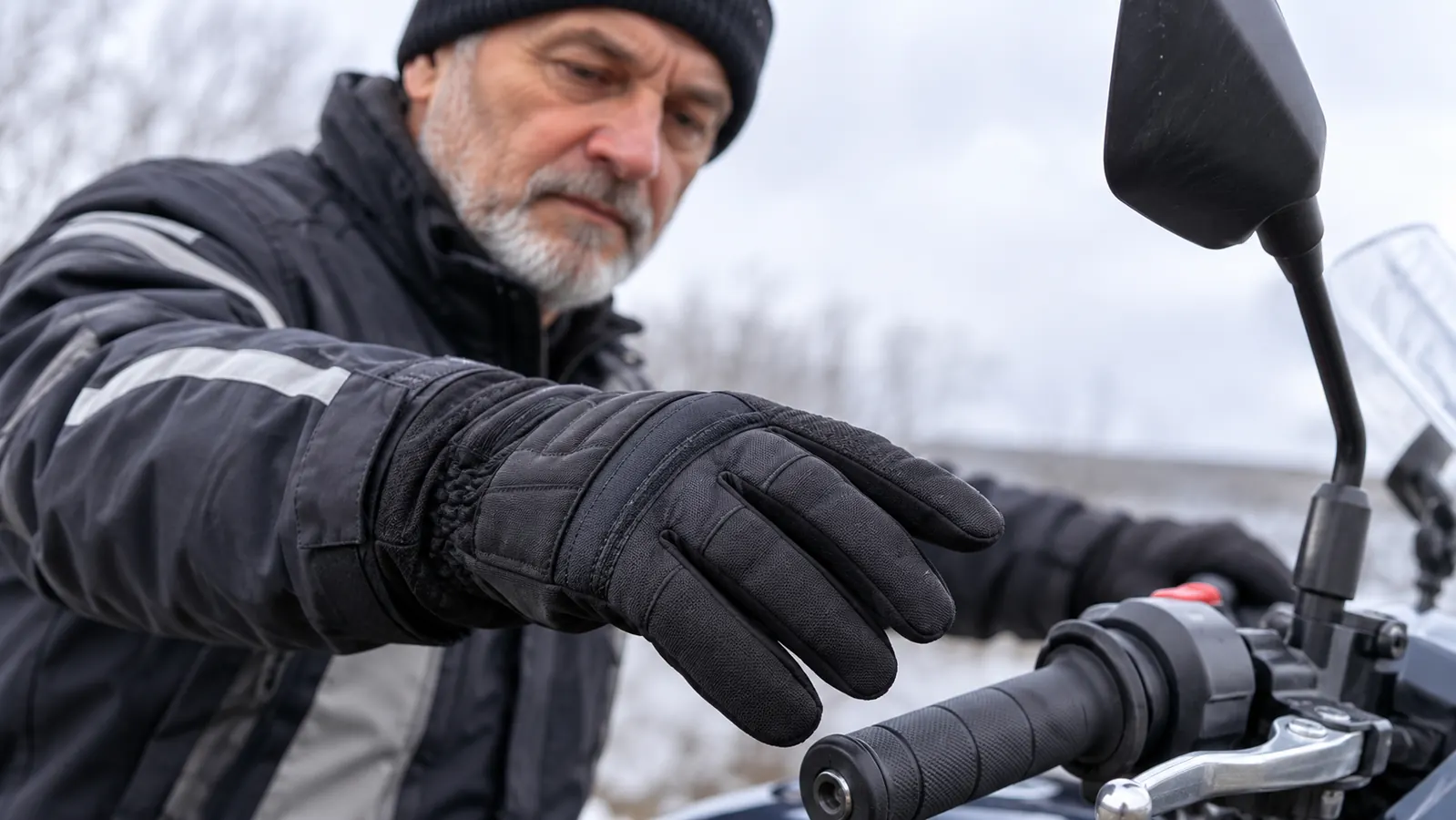
Step 2: Charge the batteries before you need them, not after
The SAVIOR HEAT gloves run on a rechargeable 7.4V battery. That is the single most important spec on the box, because it tells you what you are carrying. The battery is not a phone battery. It is a purpose-built pack that runs the heating elements, and it is the difference between a glove that warms your hands and a glove that just holds in what heat your body makes. The gloves heat the whole hand in seconds, and on a 40-degree morning that is not a small thing.
My habit is simple: the night before a ride, I charge both batteries and I charge them all the way. A half-charged battery is how you end up cold at mile 90 with three hours still to go. I also keep a second set of batteries on the shelf, charged and ready. They are not expensive compared to the cost of being miserable, and they double how long I can ride without thinking about power. One morning last November I learned why the routine matters. I was heading out for a Saturday ride with the temperature right at 40 degrees, and I had not charged the batteries the night before because I figured they had been sitting on the shelf for two weeks and would still hold a charge. They were dead by mile 45. The rest of that ride I spent shoving my hands under my thighs at every stoplight and telling myself I would not make that mistake again. I have not. Now the charger goes on the kitchen counter the night before any ride, and the batteries go back in the gloves before I walk out to the garage.
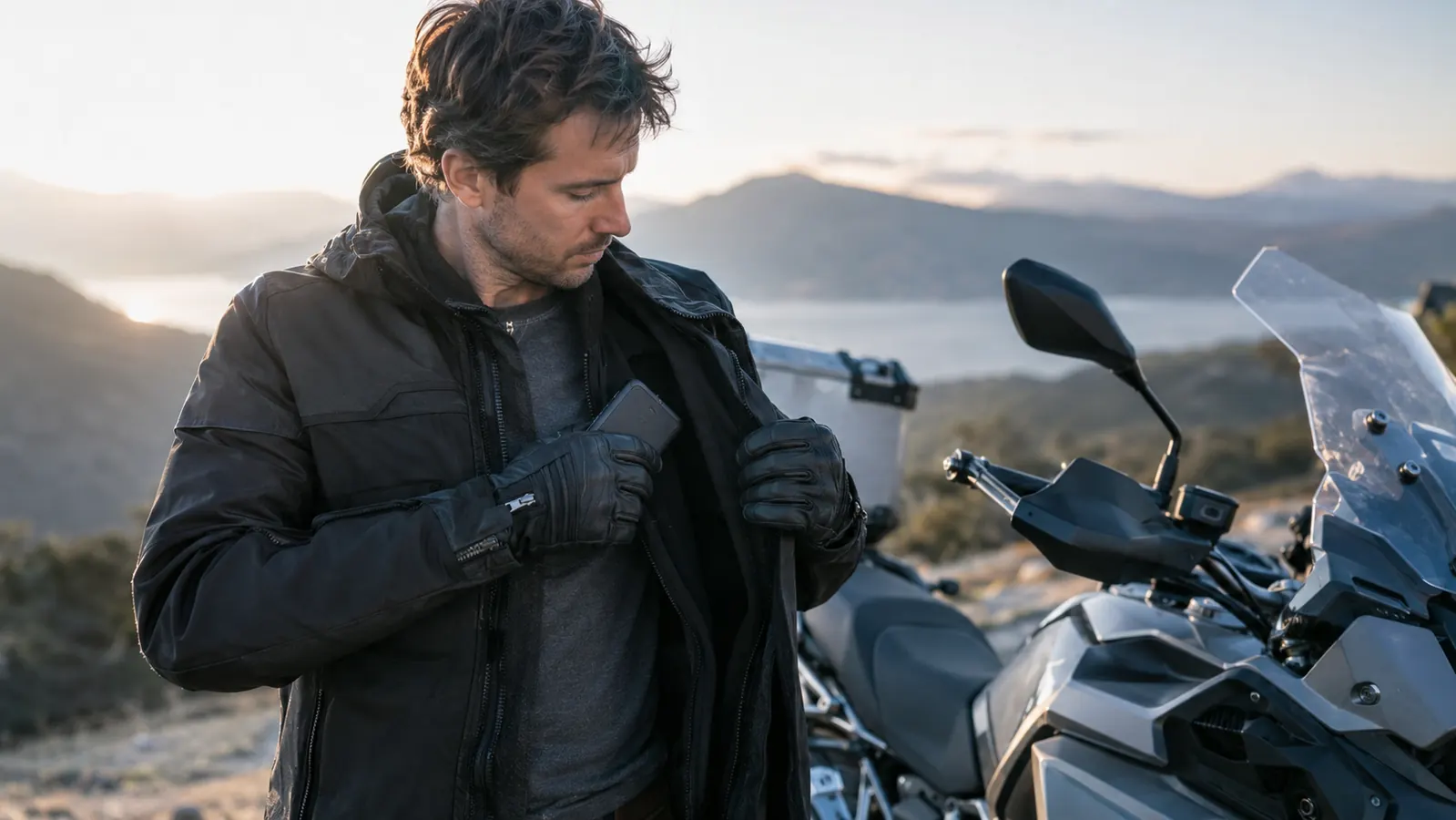
Here is the part nobody tells you: I tuck the batteries into my jacket pockets and run the leads inside my jacket, not outside. That keeps the wires out of the wind, keeps the pack warm against my body, and makes the whole setup feel less like a science project. On a really cold morning the battery also lasts longer in a pocket than it would strapped to the handlebar, because it is not sitting in the wind. It takes me about thirty seconds to seat the batteries in my pockets and run the leads up the sleeves, and I do it standing next to the bike before I put my helmet on.
Step 3: Adjust the heat to the ride, not to the forecast
The SAVIOR HEAT gloves have adjustable thermal control. That means you are not stuck with one heat level. You can turn them up for the first hour of a morning ride and turn them down once the sun gets high. I use the high setting at the start of a ride because my hands are coldest then, then I back off once my body warms up. Running them flat-out all day just drains the battery faster. On a long day, managing the heat is the difference between arriving with power to spare and arriving with cold hands at the last twenty miles.
A trick I picked up on the Myrtle Beach run: set the heat before you start moving. The gloves heat up in seconds, so I turn them on while I am still standing next to the bike. By the time I am at the end of my street, my hands are already warm. That sounds like a small thing, but it changes the whole first hour of a ride.
On the Myrtle Beach run last spring I left Pittsburgh at 6:10 in the morning with the temperature at 41 degrees. I ran the gloves on high for the first hour while I climbed out of the river valley and the cold air came off the water. By the time I stopped for gas in Virginia, around 10:30, the sun was up and the temperature had climbed into the mid-50s, so I dropped the heat down a level. That one adjustment stretched the battery through the afternoon. Coming home a few days later, I did the reverse: low heat while the sun was up, then back to high after dark, when the temperature fell back into the 40s.
Step 4: Layer under the gloves, not over them
Heated gloves are not a replacement for a good layering system. They are part of one. On a cold day I wear a thin merino liner under the SAVIOR HEAT gloves. The liner traps a layer of air next to my skin, and the heat from the glove warms that air. The combination keeps my hands comfortable in temperatures where either one alone would not be enough.
The rest of the body matters just as much. If your core is cold, your body pulls blood away from your hands, and no glove can fix that. I wear a base layer, a mid layer and a windproof outer layer on the coldest rides. My pillion, Linda, does the same when she comes along on shorter rides. Warm core, warm hands. That is the whole trick.
The coldest ride I have done in these gloves was a January morning when the thermometer on the porch read 28 degrees. I had on the merino liner, a wool base layer, a fleece mid layer and a windproof riding jacket, and my hands stayed warm for the full two hours. The same setup without the liner left my fingertips tingling after the first hour, so I know the liner is doing real work, not just taking up space in the drawer. The liner costs almost nothing and takes ten seconds to pull on, which makes it the easiest upgrade in the whole system. Linda tried the same layering on a shorter ride and noticed the difference right away; she does not ride in the cold as much as I do, but she does not complain about cold hands anymore either.
Step 5: Ride with the batteries in your pocket, not on the handlebar
Some riders mount battery packs on the handlebar. I stopped doing that years ago. The wires catch the wind, the pack gets in the way of the controls, and it looks like you are riding a rolling extension cord. With the SAVIOR HEAT gloves, I tuck the battery into a jacket pocket and run the leads up the inside of the sleeve. Nothing flaps, nothing catches, nothing gets in the way of the brake lever.
Run the wires so they have a little slack when you reach for the bars, but not so much that they hang loose. I route the right glove's wire up the inside of my right sleeve, and the left the same on the left side. It takes about a minute to get set up, and once it is done you forget the wiring is there. That is exactly what you want.
On a long day, I swap the batteries at the halfway point. Two sets of batteries and a planned stop mean I can run the heat as long as I need to. On the ride down to Myrtle Beach, that is the difference between arriving with my hands working and arriving with my hands numb. I do the swap at the gas stop in Virginia, about five hours in, while the tank fills. It adds two minutes to the stop and it means the second half of the day starts with a full charge. I keep the spent set in the same jacket pocket for the rest of the day so they are not rattling around the saddlebag, and they go straight on the charger when I get to the hotel.
What Else Helps
Heated gloves do the heavy lifting, but a few other things make the system work better. Heated grips are the obvious alternative, and they are great for the palms, but they do nothing for the backs of your fingers, which is exactly where the wind hits first. A set of handlebar muffs keeps the wind off the back of your hands, but they make the controls harder to reach quickly. I use the SAVIOR HEAT gloves as my primary setup and keep the rest simple: a good windshield, a set of hand guards on the bike, and a neck gaiter so the cold air is not sneaking down my jacket and cooling my whole core.
The other thing that helps is planning. I check the forecast for the whole route, not just the start. The temperature at the top of the hill is not the temperature at the bottom. I carry the spare batteries, I charge everything the night before, and I tell Linda what time to expect me. None of that is glamorous. All of it keeps me comfortable and safe on the road.
The gloves heat up in seconds, so I turn them on while I am still standing next to the bike. By the time I am at the end of my street, my hands are already warm.
Warm hands are a safety feature, not a luxury
If you ride in the cold, you already know the feeling of losing your fingers at mile 50. SAVIOR HEAT heated motorcycle gloves are the pair I trust for a full season of riding. Rechargeable 7.4V battery, adjustable heat, water-resistant and windproof shell.
Amazon Check Today's Price on Amazon →